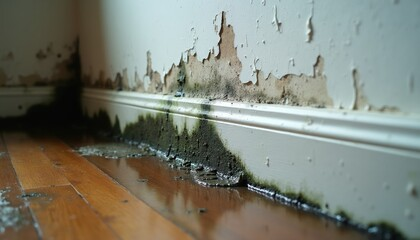
A home is designed to provide comfort, security, and peace of mind, but even the strongest structures can be vulnerable to one of the most persistent threats: water. Unlike dramatic events that cause immediate destruction, water damage often develops quietly. A small plumbing leak, a clogged gutter, or a poorly sealed window can allow moisture to accumulate over time, leading to damaged walls, warped flooring, weakened structural components, and costly repairs.
The good news is that many forms of water damage are preventable with regular maintenance and early intervention. By understanding the most common causes of water intrusion and adopting simple preventive habits, homeowners can protect both their property and their investment for years to come. To learn more, contact the expert at All Pro Services.
Why Is Water Damage Prevention So Important?
Water damage is one of the most expensive and disruptive problems a homeowner can experience because it affects both visible and hidden parts of a property. Moisture can weaken wood framing, stain ceilings, damage insulation, and cause flooring materials to expand or warp. Since water often travels far from its original source, the visible damage may represent only a small portion of the overall problem. A leak that begins inside a wall or beneath a sink can spread unnoticed until significant repairs become necessary. Preventing water intrusion is far easier and less costly than restoring a home after extensive damage.
Protecting a home from water damage also helps preserve its long-term value. Buyers often pay close attention to signs of previous leaks, stains, or moisture issues because they may indicate underlying structural concerns. Routine maintenance reduces the likelihood of these problems while extending the lifespan of roofing materials, plumbing systems, flooring, and other building components. A well-maintained home not only remains more comfortable but also retains its condition over time. Investing in prevention supports both the safety of the home and the financial value of the property.
How Can Regular Plumbing Maintenance Prevent Water Damage?
Plumbing systems are among the most common sources of water damage because they operate every day behind walls, beneath floors, and inside cabinets. Even a slow drip from a loose connection can gradually saturate nearby materials and create hidden damage before homeowners notice a problem. Regular inspections of exposed pipes, shutoff valves, faucets, and appliance connections help identify small issues before they become major leaks. Looking beneath sinks for moisture, corrosion, or discoloration can reveal early warning signs that should be addressed immediately. Routine plumbing maintenance greatly reduces the likelihood of unexpected water damage.
Appliances that rely on water should also be inspected on a regular schedule. Washing machines, dishwashers, refrigerators with water dispensers, and water heaters all contain hoses or fittings that may wear out over time. Flexible supply lines should be examined for cracks, bulges, or signs of deterioration. Replacing aging hoses before they fail is often a simple and inexpensive way to prevent a much larger problem. Paying attention to plumbing systems throughout the home creates an effective first line of defense against water intrusion.
Why Should You Inspect Your Roof and Gutters?
The roof protects the entire home from rain, snow, and changing weather conditions, making regular inspections essential. Missing shingles, damaged flashing, worn sealants, or cracked roofing materials can allow water to enter the attic and eventually reach ceilings and walls. Because roof leaks often begin gradually, homeowners may not notice them until stains or discoloration appear inside the home. Inspecting the roof after severe weather and addressing minor damage promptly helps prevent larger structural issues from developing. Routine roof maintenance is one of the most effective ways to reduce water damage risks.
Gutters and downspouts play an equally important role by directing rainwater safely away from the structure. Leaves, twigs, and debris can clog gutters, causing water to overflow and collect near the foundation or roofline. Overflowing gutters may also damage fascia boards, siding, and landscaping over time. Cleaning gutters regularly ensures proper drainage during heavy rainfall. Downspouts should discharge water far enough away from the home to prevent foundation saturation and basement moisture problems.
How Does Proper Drainage Protect Your Home?
Managing water around the exterior of the home is just as important as maintaining interior plumbing systems. Rainwater that collects near the foundation can gradually seep into basements, crawl spaces, or lower-level walls. Poor grading, blocked drainage systems, or standing water increase the likelihood of foundation moisture problems. Ensuring that the ground slopes gently away from the home encourages rainwater to flow in the proper direction. This simple landscaping principle helps reduce long-term water intrusion risks.
Homeowners should also inspect outdoor drainage systems after heavy rainfall to identify areas where water tends to accumulate. Puddles that remain for extended periods may indicate drainage issues requiring correction. Driveways, walkways, patios, and landscape features should allow water to move naturally away from the structure. Proper drainage not only protects the home’s foundation but also reduces erosion and preserves surrounding landscaping. Maintaining effective water flow around the property is an essential part of comprehensive water damage prevention.
What Areas Inside the Home Should Be Checked Regularly?
Some parts of a home are naturally more vulnerable to hidden moisture than others. Kitchens and bathrooms deserve frequent attention because they contain numerous plumbing fixtures and water supply lines. Homeowners should periodically inspect beneath sinks, around toilets, behind refrigerators, and near dishwashers for any signs of dampness or discoloration. Cabinets should remain dry, and flooring should not feel soft or uneven. Regular visual inspections often reveal small leaks before they spread to surrounding materials.
Attics, basements, crawl spaces, and laundry rooms should also be included in routine maintenance. Attics may reveal roof leaks before interior ceilings become damaged, while basements often show early signs of foundation seepage or plumbing problems. Laundry rooms contain washing machine hoses and drainage systems that can fail unexpectedly if neglected. Even utility closets housing water heaters deserve occasional inspection for corrosion, moisture, or leaks. Visiting these less frequently used areas helps homeowners identify developing problems before they require extensive repairs.
How Can Routine Maintenance Reduce the Risk of Water Damage?
Preventive maintenance involves more than responding when something goes wrong. It requires establishing regular habits that help identify small concerns before they become emergencies. Seasonal inspections provide an opportunity to examine roofing materials, plumbing fixtures, windows, doors, caulking, and weather seals for signs of wear. Replacing worn sealants around windows and exterior openings helps keep rainwater outside where it belongs. These simple maintenance tasks often prevent moisture from entering the home’s structure.
Monitoring indoor humidity is another valuable preventive measure. Excess humidity can contribute to condensation on windows, pipes, and other surfaces, creating conditions that encourage moisture accumulation. Using exhaust fans in kitchens, bathrooms, and laundry rooms helps remove excess moisture generated by everyday activities. Proper ventilation improves indoor comfort while reducing opportunities for hidden water damage. Consistent maintenance throughout the year provides homeowners with confidence that their property remains well protected.
When Should You Call a Professional?
Although many maintenance tasks can be performed by homeowners, certain situations require professional evaluation. Persistent leaks, recurring stains, unexplained musty odors, or visible structural changes often indicate that water damage extends beyond what is immediately visible. Professionals have specialized equipment capable of detecting hidden moisture behind walls, beneath flooring, and inside ceilings. This allows the full extent of the problem to be identified before repairs begin. Accurate moisture detection helps prevent incomplete repairs that leave hidden damage untreated.
Professional inspections are also valuable after major storms, plumbing failures, or appliance leaks. Even if surfaces appear dry, moisture may remain trapped inside building materials where it continues causing damage over time. Early professional assessment often reduces repair costs by identifying affected areas before deterioration spreads further. Seeking assistance promptly helps restore the home more efficiently while protecting structural integrity. Combining homeowner maintenance with professional expertise provides the strongest defense against long-term water damage.
Final Thoughts
Preventing water damage begins with awareness, routine maintenance, and prompt attention to even the smallest warning signs. Regular plumbing inspections, roof maintenance, clean gutters, proper drainage, indoor moisture control, and seasonal home evaluations all work together to reduce the risk of costly water intrusion. While no home is completely immune to leaks or severe weather, consistent preventive care greatly improves the chances of avoiding major structural damage. By making water damage prevention part of routine home maintenance, homeowners can protect their investment, preserve their property’s value, and enjoy greater peace of mind knowing their home is prepared for the challenges that changing conditions may bring.