Cabinet Refacing Vs Cabinet Refinishing

Cabinet Refinishing Sacramento is an ideal option for homeowners with well-kept cabinet boxes that need a change, but not a total overhaul. Refacing offers a fresh and modern look with a durable finish that is built to last.
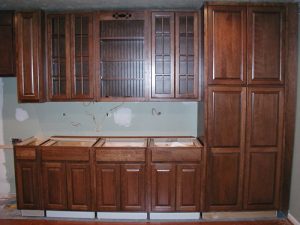
Cabinet Refinishing

Traditional or DIY wood refinishing involves sanding down your cabinets before applying new paint. It’s a time-consuming process.

Cabinet refinishing is a cost-effective option that allows homeowners to upgrade their kitchens without spending a fortune. It’s also a time-saving solution, as it can be completed in less time than refacing.

Before refinishing, it’s important to ensure the existing cabinets are in good condition and ready for a new finish. If they’re damaged or outdated, refacing may be the better choice. Additionally, it’s important to consider the desired aesthetic of your new cabinets. If you want a drastic change, refacing is the way to go; however, if you simply want to update your cabinets with a fresh stain or paint, refinishing may be sufficient.

Cabinet Refinishing involves removing the old finish, repairing any damage and sanding surfaces before applying new stain or paint. The process can be messy, but a professional will work hard to minimize the disruption to your home and life during this project. It’s best to choose a professional with extensive experience, a portfolio of previous projects and positive customer testimonials.

Aside from minimizing the timeframe of the project, cabinet refinishing is a more environmentally friendly option than replacing cabinets. Replacing cabinets generates a lot of waste in the form of old doors, boxes and trim, which is sent to the landfill. Refinishing saves resources and eliminates waste by preserving the existing cabinetry.

Choosing a color that suits your personal style is another benefit of cabinet refinishing. You can make your cabinets lighter or darker with a stain, and you can add new details like crown molding or glass panel doors to your design. The options are endless!

Refinishing can be a messy process, but the majority of the work is done on-site, which cuts down on dust and mess throughout your home. It’s also a lot cheaper than a full kitchen replacement, which can be difficult to finance for many homeowners. Regular cleaning with gentle products is the best way to maintain the pristine look of your cabinetry for years to come. Avoid abrasive cleaners, as they can damage the finish and cause discoloration over time. Instead, use a mild soap diluted with water.

Time-Saving

Cabinets are an integral part of any kitchen, serving as both functional and aesthetic backbone of the space. However, over time they can start to show signs of wear and tear that detract from the overall aesthetic and feel of the room. Rather than replacing them, homeowners often opt to refinish their cabinets, which provides a cost-effective and quick way to give the room a new lease on life.

In addition to being more affordable than replacement, cabinet refinishing is also customizable and offers an environmentally conscious alternative. Refinishing involves reusing existing materials and minimizing waste, which is a much more sustainable option than creating and transporting new cabinets. It is also a less invasive process, as the entire cabinet is not removed from its original location but rather reworked to create a fresh look.

The process of refinishing includes an initial assessment to ensure that the cabinets are in good condition and free from damage. Once the cabinet is deemed to be structurally sound, the old doors and drawer fronts are removed, the surface is prepped by cleaning and sanding, and a primer is applied to ensure better adhesion of the new finish. Once the primer is dried, the cabinet can be refinished using stain or paint in any color of your choice.

When choosing a color, consider the overall design of your home and how your cabinet finishes will complement it. Light colors can make a room feel bright and airy, while darker finishes can add warmth and elegance. You can even choose to add a glaze or distressing to your cabinets to further personalize the look.

While the refinishing process can be completed by a DIY, it is typically best to hire a professional. The experience and expertise of a qualified team will ensure that your finished product is flawless. They will know how to prep the surfaces, what type of paint or stain to use, and how many coats of each to apply for a durable finish. They will also be able to spot potential problems and fix them before they become more serious.

Customizable

Cabinet refinishing offers an unlimited range of customization options, while also being more affordable than refacing. However, the condition of your existing cabinets and your desired aesthetic play a role in determining whether refinishing or refacing is the better option for your home.

Refinishing involves working with your existing cabinet doors and applying a new coat of paint to them. This allows you to completely customize the look of your space while preserving your existing cabinet frames and hardware. This allows you to create a more modern or classic look, depending on your preferences.

The process of refinishing can be messy and time-consuming, but it is possible to make the project as stress-free as possible. By carefully masking off any areas you don’t want to get paint on, you can minimize the amount of work and cleanup required. It is also important to take the time to properly prepare your cabinet surfaces before refinishing them. This includes removing any grease or grime from the surfaces and sanding them down to provide a smooth surface for the new paint.

Choosing the right color is another crucial step when refinishing your cabinets. Before committing to a particular color, it is recommended that you purchase sample pots of paint and apply them to large boards or pieces of cardboard. Observe the colors in natural and artificial lighting to see how they appear throughout the day, and pay attention to the undertones of each color. You may be tempted to go for the trendy blues or grays, but by choosing a color that will last for years to come, you can ensure your cabinet renovation is a long-term investment in your kitchen.

Another aspect to consider when deciding on refinishing or refacing is your desire to change the style of your existing cabinet doors. Refinishing can only be done with the existing style of your cabinet doors, so if you are looking to make a major change in the aesthetic of your room, refacing may be a better option.

Whether you are refacing or refinishing, a cabinet upgrade can revitalize your kitchen and make it a place that you love spending time in. With a wide variety of colors and finishes available, there is sure to be an update that will match the overall look and feel of your kitchen.

Environmentally Friendly

Choosing to refinish rather than replace cabinets is an environmentally friendly option that eliminates waste. Replacing cabinets typically involves tearing out old, perfectly functional units and sending them to landfills, where they will contribute to overcrowded waste sites. Refinishing, on the other hand, saves perfectly usable materials by extending their lifespan through a new coat of paint or stain. This process also reduces the demand for fresh materials and energy, minimizing your project’s impact on the environment.

Cabinet refinishing is especially eco-friendly when done with low or no VOC (Volatile Organic Compounds) finishes. These products emit fewer harmful fumes during application and can significantly improve indoor air quality over time, protecting the health of your family and friends.

VOC-free refinishing products are available in a variety of finishes to meet your aesthetic preferences and match your home’s decor, from traditional to modern. Some of these products use recycled or reclaimed wood, which helps conserve natural resources and offers a unique look for your kitchen. Others utilize a paper composite or recycled glass for durability and visual appeal.

Refinishing is not as invasive as replacing cabinets, so you can still live in your home while the work is done. This method is also more efficient and will not leave your kitchen unusable for days or weeks, as may be the case with a complete replacement project.

If you’re considering a cabinet refinishing project, be sure to empty your cabinets of any items and remove the hardware. It’s also important to prep the surface properly, so it can accept a smooth, even coat of finish without streaks or brush marks. Finally, it’s a good idea to hire professional cabinet painters to ensure a high-quality result. Their experience and expertise will help ensure your cabinets last longer and look great for years to come.
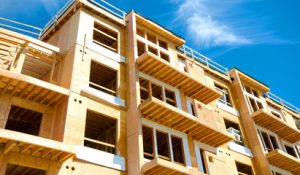
Before You Build: Essential Construction Tips Most Homeowners Wish They Knew Sooner

Building a home is one of the most exciting milestones a person can experience. It represents a fresh beginning, a chance to create a space that reflects personal style, and an investment that can provide comfort and value for many years. However, excitement alone is not enough to ensure a successful construction project. Many homeowners enter the building process believing that everything will naturally fall into place once construction begins, only to discover unexpected delays, budget increases, design challenges, and communication issues that could have been prevented with better preparation.

The truth is that successful construction starts long before the first shovel breaks ground. It begins with careful planning, informed decision-making, and realistic expectations. Every choice made during the planning stage influences the project’s timeline, overall cost, durability, and even future maintenance expenses. While every construction project is unique, many homeowners encounter similar lessons that become obvious only after construction is already underway. Understanding these lessons beforehand can save significant amounts of money, reduce stress, and lead to a smoother building experience from start to finish. Visit Website to explore more.

construction

One of the biggest misconceptions about residential construction is that the budget only needs to cover visible materials and labor. In reality, construction involves countless moving parts, and even well-planned projects may encounter unexpected expenses. Material prices may fluctuate, additional site preparation may become necessary, or changes requested during construction may increase labor costs. This is why experienced professionals often recommend creating a contingency fund before construction begins. Having additional funds available provides financial flexibility when unforeseen situations arise and prevents difficult decisions that could compromise the quality of the finished home.

Equally important is establishing realistic expectations regarding timelines. Construction projects rarely follow a perfectly predictable schedule because numerous factors influence progress. Weather conditions, supply availability, inspection schedules, and unforeseen structural discoveries can all contribute to delays. While everyone hopes for a smooth project, understanding that minor setbacks are a normal part of construction helps reduce frustration and encourages better planning throughout the building process. Patience often becomes just as valuable as financial preparation.

Another lesson many homeowners learn too late is the importance of designing for long-term living rather than current trends. Attractive design features may look impressive today, but construction should prioritize functionality, comfort, and future adaptability. Families grow, lifestyles evolve, and daily routines change over time. A home designed with flexibility in mind is more likely to remain practical and enjoyable for many years without requiring expensive renovations. Considering storage, accessibility, energy efficiency, and room versatility during the design phase often delivers greater long-term satisfaction than focusing solely on visual appeal.

Communication plays a critical role throughout every stage of construction. Misunderstandings regarding materials, finishes, layouts, or schedules can quickly become expensive mistakes if they are not addressed early. Homeowners benefit from maintaining regular communication with everyone involved in the project while documenting important decisions whenever possible. Written records of approvals, design revisions, and material selections create clarity and reduce the likelihood of disagreements later. Consistent communication helps keep expectations aligned and allows potential issues to be resolved before they become major obstacles.

Site preparation is another area that deserves more attention than many first-time builders initially realize. The condition of the land directly affects the stability and longevity of the finished structure. Proper grading, drainage planning, soil evaluation, and utility preparation create the foundation for successful construction. Ignoring these early considerations may lead to drainage issues, foundation movement, moisture problems, or landscaping complications after the home is completed. Investing time and resources in thorough site preparation often prevents costly repairs in the future.

Choosing construction materials should never be based solely on their initial purchase price. Lower-cost materials may appear attractive during budgeting, but they can sometimes require more frequent maintenance or earlier replacement. On the other hand, investing in durable materials often produces lower ownership costs over the lifespan of the home. Energy-efficient windows, quality insulation, durable roofing materials, moisture-resistant finishes, and reliable plumbing components can contribute to improved comfort, lower utility expenses, and fewer maintenance concerns over time. Evaluating materials from a long-term perspective rather than focusing exclusively on upfront costs often results in better overall value.

Before construction begins, homeowners should carefully evaluate several essential planning factors:

  1. Establish a realistic total budget. Include construction costs, permits, inspections, landscaping, furnishings, utility connections, and a contingency reserve for unexpected expenses.
  2. Create a detailed design plan. Finalizing layouts, finishes, and material selections before construction begins minimizes costly design changes during the building process.
  3. Understand the construction timeline. Knowing the expected sequence of work helps homeowners prepare for inspections, deliveries, and possible scheduling adjustments.
  4. Plan for future needs. Consider family growth, aging in place, additional storage, and evolving lifestyle requirements when designing the home’s layout.

These early planning steps create a strong foundation for every phase that follows and significantly reduce unnecessary stress during construction.

Many homeowners underestimate the value of energy efficiency until they begin paying monthly utility bills. Modern construction offers numerous opportunities to reduce energy consumption through thoughtful design and proper installation practices. High-quality insulation, strategically placed windows, effective ventilation systems, efficient lighting, and well-sealed building envelopes contribute to a more comfortable indoor environment while reducing long-term operating expenses. Investing in energy-efficient construction not only lowers utility costs but can also increase property value and improve year-round comfort.

Another common mistake is making frequent design changes after construction has already begun. While some modifications are unavoidable, changing layouts, moving walls, relocating plumbing fixtures, or selecting different finishes midway through the project often increases labor costs and extends construction timelines. Every alteration can affect multiple trades working on the project, creating a chain reaction that impacts scheduling and budgeting. Spending additional time reviewing plans before construction starts is generally much less expensive than making revisions once work is already in progress.

Storage is another feature that many homeowners underestimate during the planning phase. Attractive living spaces quickly become cluttered if adequate storage is not incorporated into the design. Closets, utility rooms, pantry space, garage organization, attic access, and built-in storage solutions all contribute to a more organized and functional home. Prioritizing storage during construction is considerably easier and more affordable than attempting to add it through future remodeling projects.

Natural lighting also deserves careful consideration. Well-positioned windows can transform interior spaces by making rooms appear larger, brighter, and more inviting while reducing dependence on artificial lighting during daylight hours. At the same time, window placement should balance natural light with privacy, energy efficiency, and indoor comfort. Thoughtful planning allows homeowners to maximize sunlight while minimizing excessive heat gain or glare throughout different seasons.

Quality workmanship remains just as important as quality materials. Even premium building products cannot perform as intended if they are installed incorrectly. Every stage of construction, from framing and roofing to electrical work and finishing details, contributes to the overall durability and appearance of the home. Paying attention to workmanship throughout the project helps ensure that each component functions properly and supports the long-term performance of the entire structure.

Inspections should never be viewed as unnecessary obstacles. Instead, they provide valuable opportunities to verify that various stages of construction meet required standards before work continues. Identifying potential issues early allows corrections to be made while they remain relatively simple and affordable. Homeowners who stay informed about inspection milestones often gain greater confidence in the quality of their investment.

As construction progresses, documenting the project with photographs can provide long-term benefits. Images taken before walls are closed can help identify the locations of plumbing lines, electrical wiring, insulation, and structural framing. These records become extremely useful during future maintenance, renovations, or repair projects, reducing guesswork and helping prevent accidental damage when modifications are needed years later.

As the project nears completion, attention naturally shifts toward finishes and cosmetic details. While these elements certainly contribute to the home’s visual appeal, homeowners should continue focusing on functionality. Testing mechanical systems, confirming proper drainage, reviewing appliance operation, checking doors and windows, and verifying that all installed features operate correctly are equally important steps before moving in. Addressing minor issues before occupancy helps ensure a smoother transition into the new home.

Several final considerations can make a significant difference once construction is complete:

  1. Complete a detailed final walkthrough. Carefully inspect every room, fixture, and system while documenting any items that require adjustment or correction.
  2. Organize important documentation. Keep warranties, maintenance instructions, equipment manuals, inspection records, and construction documents together for future reference.
  3. Create a maintenance schedule. Regular inspections of roofing, plumbing, HVAC systems, gutters, and exterior finishes help preserve the home’s condition and prevent expensive repairs.
  4. Think beyond move-in day. Ongoing maintenance and periodic upgrades protect your investment and extend the lifespan of major building components.

Building a home is a journey that requires careful planning, thoughtful decisions, and a willingness to prepare for both expected and unexpected challenges. The homeowners who enjoy the smoothest construction experiences are rarely the ones with the biggest budgets—they are often the ones who invest the most time in understanding the process before construction begins. Every decision made during planning influences the home’s comfort, durability, efficiency, and long-term value.

By approaching construction with patience, realistic expectations, and a commitment to quality, homeowners can avoid many of the common mistakes that others later wish they had known how to prevent. Careful budgeting, effective communication, durable material selection, thoughtful design, and ongoing attention to maintenance all contribute to creating a home that serves its occupants well for decades. Building may be a complex process, but with the right preparation, it can also become one of the most rewarding investments a homeowner will ever make.